
3D Trademarks vs. Copyrights: Understanding the Distinct Legal Protections
By Zahraa Zoughaib, in collaboration with Bahia Alyafi.
Introduction: Why Protect 3D Shapes?
Trademarks and copyrights are both fundamental forms of intellectual property that protect creations of the mind, but they serve different purposes and offer protection for different types of assets. While both IP rights are crucial for businesses, they each apply to distinct elements of a company’s assets and require different legal approaches. This article explores the differences between 3D trademarks and copyrights, shedding light on their criteria, scope of protection, limitations, and enforcement.
Key Differences Between 3D Trademarks and Copyrights
| Feature | 3D Trademarks | Copyrights |
| What it Protects | Shape, configuration, or packaging identifying the product source | Original artistic or creative expression fixed in a tangible form |
| Purpose | Prevents consumer confusion; identifies brand source | Protects original creative works from copying |
| Criteria for Protection | Must be distinctive and non-functional | Must be original and creative |
| Functional Elements | Not protected if purely functional | Functional aspects excluded; protects artistic design only |
| Registration Required? | Yes, formal registration required | No, automatic upon creation; registration optional |
| Duration of Protection | Potentially indefinite with continued use | Limited (life of author + 70 years or 95 years for hire) |
| Scope of Protection | Brand identification and consumer confusion prevention | Creative/artistic elements only, no utility |
| Enforcement | Easier with prima facie evidence from registration | More challenging; requires proof of originality and copying |
| Can One Become the Other? | Yes, if distinctive and creative, can gain copyright protection | Yes, can register as 3D trademark if distinctive |
What Does a 3D Trademark Protect?
A 3D trademark protects the unique shape, configuration, or packaging of a product that identifies the source of goods or services. Examples include the iconic shape of the Coca-Cola bottle or the distinctive Toblerone chocolate bar design.
Visual idea: Side-by-side images of the Coca-Cola bottle and Toblerone packaging with labels like “3D Trademark Example.”
What Does Copyright Protect?
Copyright protects original works of authorship fixed in a tangible medium, such as books, paintings, songs, and films. For 3D objects, it covers artistic aspects like sculptures or creative designs, but not the functional parts.
Note: Copyright protection arises automatically upon creation; registration is optional but beneficial.
Protection Criteria
| 3D Trademarks | Copyrights |
| Must be distinctive and non-functional | Must be original and creative |
| Serves as a brand identifier | Protects creative expression |
Functionality & Design Limitations
- 3D trademarks do not protect purely functional shapes.
- Copyright may protect creative, artistic elements even if the object is functional.
- Example: A chair’s artistic design may have copyright protection, but its comfort or utility does not.
Registration Process
3D Trademarks:
- Formal registration required.
- Proof of use and distinctiveness often needed.
Copyrights:
- Protection is automatic upon creation.
- Registration optional (provides evidence for enforcement).
Duration of Protection
| 3D Trademarks | Copyrights |
| Potentially indefinite if used and distinctive | Limited: life of author + 70 years (or 95 years for works for hire) |
Real-World Example: The Rubik’s Cube
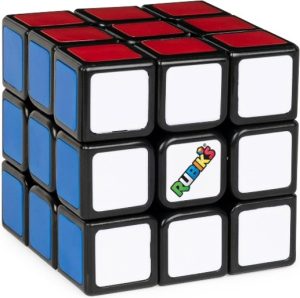
Originally copyrighted as a creative work, the Rubik’s Cube’s distinctive design was later registered as a 3D trademark to extend commercial exclusivity beyond copyright expiration. This strategic move highlights how both IP types can be used together.
Enforcement Challenges
- Copyright: Requires proof of originality and copying; enforcement can be difficult, especially in emerging markets.
- 3D Trademarks: Easier enforcement once registered; serves as prima facie evidence of ownership.
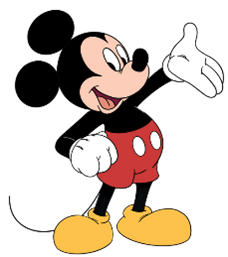
Conclusion: The Everlasting Evolution of Mickey Mouse
Mickey Mouse shows how IP rights can evolve:
- Started under copyright.
- As early versions approached the public domain, Disney secured trademark registrations for newer depictions.
- Aggressively enforces trademark rights to maintain exclusivity across generations.