
As businesses navigate an increasingly digital and competitive marketplace, three dimensional trademarks (also referred to as 3D trademarks) have become a crucial asset for brand protection. Beyond traditional trademarks—such as logos, words, or symbols—3D trademarks are non-traditional trademarks that safeguard the unique shape, design, and overall look and feel of a product, whether in physical or virtual environments.
With the rise of immersive technologies, gaming, and the metaverse, brands are not only protecting tangible products but also virtual assets, digital skins, and interactive brand experiences. This expanded need for 3D trademarks enhances brand recognition and ensures consumers can identify a product across both real and digital worlds.
This article lays the foundation for our “3D Trademarks” series, where we will examine how different jurisdictions including Trademark Middle East and Trademark GCC markets regulate, enforce, and challenge 3D trademarks in both traditional and emerging markets. In this first article, we explore the fundamentals of 3D trademarks, setting the stage for deeper insights into regional laws and evolving brand protection strategies in future publications including comparisons of trademark vs industrial design protection.
Key Characteristics of 3D Trademarks
- Distinctiveness
According to Cornell Law:
“A distinctive trademark is a trademark that ‘identifies and distinguishes’ the relevant goods or services.”
For a 3D trademark to be eligible for protection, it must possess a distinctive shape that significantly departs from the norms or customs of the relevant industry. This distinctiveness ensures that consumers can recognize the product’s origin merely by its shape. - Non-functionality
Also from Cornell Law:
“The functionality doctrine is a rule in trademark law which states that functional product features cannot serve as a trademark. A product feature is considered functional if it is essential to the use or purpose of the product or if it affects the cost or quality of the product.”
The shape should not be solely functional or necessary for the product’s use. If the form is dictated by the product’s function, it may not qualify for trademark protection.
Famous Examples of 3D Trademarks
| Brand | Logo | Description |
| Coca-Cola Bottle |  |
As noted in The Cambridge Handbook of Marketing and the Law: “The Coca-Cola bottle is among the most famous product packaging in the world… It has been celebrated as a design classic and featured prominently by artists ranging from Norman Rockwell to Andy Warhol.” The iconic contour of the Coca-Cola bottle is a registered three-dimensional trademark, recognized for its unique and distinctive shape. |
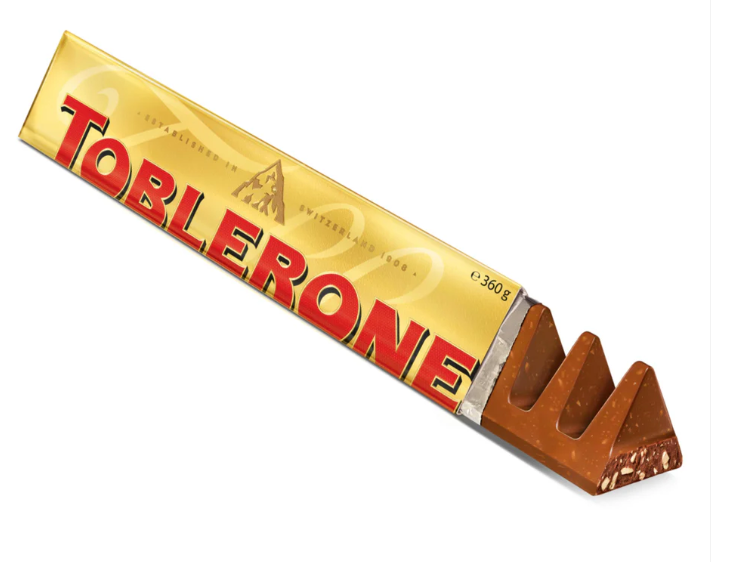
| Toblerone Chocolate Bar |  |
The triangular prism shape of Toblerone chocolate bars is protected as a 3D trademark, distinguishing it from other chocolates. An interesting article about Toblerone vs. KitKat can be read [here]. |
| Vespa Scooter | 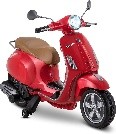 |
The distinctive design of the Vespa scooter has been registered as a 3D trademark, highlighting its unique appearance in the market. |
Challenges in Registering 3D Trademarks
While 3D trademarks offer strong brand protection, securing registration is not always straightforward. Many jurisdictions including those in the Trademark Middle East and Trademark GCC regions impose strict requirements, making it difficult to register a shape unless it:
- Departs significantly from industry norms
- Does not serve a functional purpose
- Has acquired distinctiveness over time
Legal 500 has published an insightful article delving into “The Contemporary Issue of the Non–Conventional Trademarks.” In upcoming articles, we will examine these challenges in specific jurisdictions, discussing key rejections, legal battles, and best practices for securing 3D trademarks in different regions.
Global Perspectives
The criteria for registering 3D trademarks vary across jurisdictions. While in some regions the shape must significantly depart from industry norms to be registrable, others apply less stringent standards. This makes it essential for businesses to understand local regulations when seeking 3D trademark protection particularly in Trademark GCC and Trademark Middle East markets where regional agreements can influence filing strategies.
This is just the beginning of our in-depth exploration of 3D trademarks. In the next series of articles, we will take a deep dive into how various countries approach 3D trademarks and what businesses need to know when building brand protection strategies across borders. We will also address the critical differences between trademark vs industrial design rights, helping businesses choose the most effective protection method.
Written by Zahraa Zoughaib, in collaboration with Bahia Alyafi.
Alyafi IP Group